Barbican Skip Hire – Recycling and Sustainability
 Barbican Skip Hire is committed to creating an eco-friendly waste disposal area across the City and neighbouring boroughs. Our approach blends practical rubbish clearance with measurable environmental outcomes, turning what was once waste into resources for the community. As a local skip hire and waste management provider, Barbican skip hire balances licensed transfer, reuse and recycling pathways to support a sustainable rubbish area and help meet municipal targets.
We set a clear recycling percentage target for our operations: a 75% diversion rate from landfill by 2030 for all collected skip material. That target is backed by process controls, staff training and route planning so that materials such as mixed construction spoil, metals, timber, cardboard and household mixed recycling are separated at source when practical, and further separated at facilities where required. Our target aligns with borough ambitions to reduce landfill and increase circular reuse.
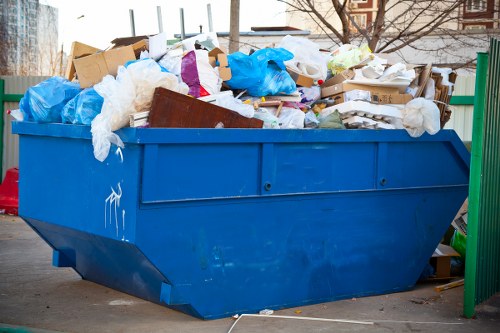 Local boroughs have varied approaches to waste separation and collection, and we adapt to those systems. In the City of London and neighbouring areas like Islington and Camden, common recycling activities include separate food waste collections, glass bank programmes, mixed recycling sacks or bins, and designated bulky waste streams for items that can be refurbished. Barbican rubbish removal teams are trained to recognise local rules and to maximise the capture of recyclable fractions at point of collection.
We rely on a network of licensed local transfer stations and consolidation hubs to ensure material is processed responsibly. Rather than transporting all material long distances, our logistics model uses nearby transfer facilities in the City and adjacent boroughs to sort, bale and route materials to specialist processors. This reduces vehicle miles and supports an eco-friendly waste disposal area model that favours regional recycling economies over long-haul disposal.
 Partnerships are central to our sustainable approach. We work with local charities and social enterprises to extend the life of reusable items and building materials. Typical collaborations include:
- Furniture banks and homeless charities for usable household goods.
- Habitat-style reuse projects for doors, windows and reclaimed timber.
- Community recyclers that accept segregated electronics and small electrical items for refurbishment.
These partnerships help ensure that, where possible, items are reused or repurposed rather than processed as waste.
Our sustainable rubbish area strategy also emphasises material-specific streams. For example, we arrange separate collections and drop-offs for inert aggregates so they can be crushed and returned to construction use, and we separate metals for recycling and higher-value recovery. Even soft plastics and bulky textiles are directed to appropriate local processors or reuse channels rather than general landfill.
Transport emissions are a significant part of waste management footprint, so Barbican Skip Hire invests in a low-carbon fleet. We run a fleet of efficient vans and, where practical on inner-city routes, deploy electric or hybrid vehicles for skip deliveries and collections. Our low-carbon vans reduce local air pollution and lower operational carbon so that the sustainable rubbish area we operate becomes both cleaner and greener.
How we measure progress
Measurement is built into every job. Each skip load is documented, and loads destined for recycling or reuse are recorded against our diversion metrics. We publish internal performance reports that show the percentage of material diverted to recycling, reuse or recovery and compare against our 75% target. Continuous improvement workshops help crews and partners increase separation rates and reduce contamination in recycling streams.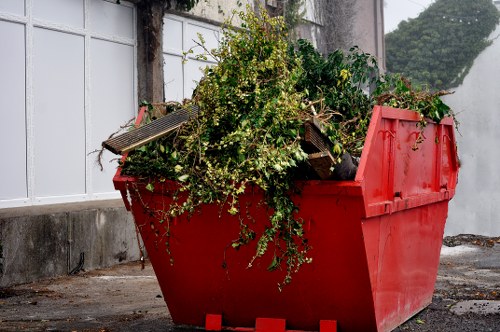
Community impact and borough alignment
We align closely with borough recycling policies and educational campaigns. By coordinating with local authorities, we help make the most of food waste collection programmes, communal glass and paper bins, and designated bulky waste agreements. Our teams provide advice to clients on how to reduce contamination and sort materials in line with borough guidance. Practical sustainability actions recommended by Barbican skip hire include the following simple steps for any site or household generating waste:
- Segregate wood, metal and masonry where possible to increase recycling value.
- Set aside reusable items for charities or reuse schemes before booking a skip.
- Use consolidated drop-offs at local transfer stations to reduce vehicle movements.
These small changes contribute to a larger shift toward a sustainable rubbish area across the City. Our operation is designed to be compatible with local recycling service types — from kerbside mixed recycling to dedicated commercial food waste and glass schemes — ensuring materials find the most appropriate circular route.
Barbican Skip Hire is dedicated to long-term sustainability: aiming for continuous increases in our recycling percentage target, strengthening charity partnerships, expanding our use of low-carbon vans, and improving collaboration with local transfer stations and borough councils. By combining responsible logistics, community partnerships and clear targets, we turn skip hire into a driver for positive environmental change and a cleaner, more sustainable urban economy.